
























Paper wallpaper is a classic and elegant option for wall coverings, giving the space a unique and warm look.
Advantages:
- Natural look: Paper wallpaper is made from natural materials, which gives it an authentic and pleasing appearance.
- Environmentally friendly: Paper wallpaper is biodegradable and does not contain toxic materials, making it an environmentally friendly choice.
- Variety of designs: Paper wallpaper is available in a wide variety of colors, patterns, and textures, from classic to modern styles.
- Atmosphere: Paper wallpaper allows the walls to "breathe", which contributes to balancing the humidity in the space.
Disadvantages:
- sensitivity: Paper wallpaper is more susceptible to damage such as scratches, stains, and moisture compared to vinyl wallpaper.
- Difficulty in cleaning: Paper wallpaper cannot be cleaned with water, which makes it difficult to maintain.
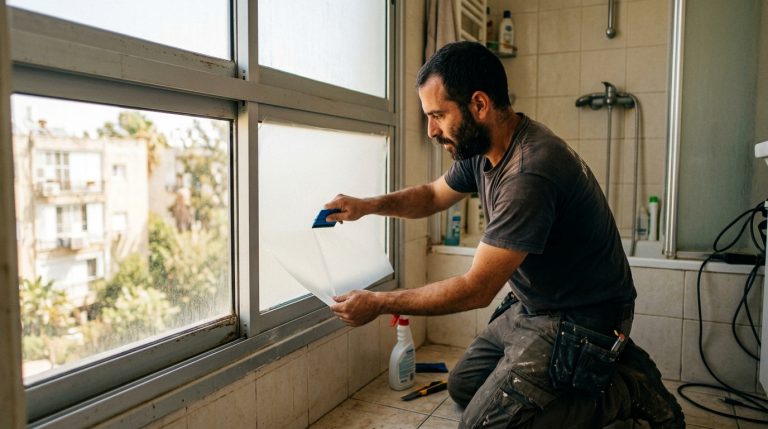
- Complex installation: Installing paper wallpaper requires skill and precision, and it is recommended to use the help of a professional.
- Price: Paper wallpaper is often more expensive than vinyl wallpaper.
Types of paper wallpaper:
- Smooth paper wallpaper: Suitable for classic and elegant spaces.
- Textured paper wallpaper: Gives the space a rich and interesting look.
- Printed paper wallpaper: Allows printing of a variety of samples and illustrations.
Uses:
- Living rooms: Paper wallpaper can add warmth, elegance, and style to living rooms, dining rooms, and bedrooms.
- Workrooms: Paper wallpaper can create a pleasant and relaxing atmosphere in the study.
- Libraries: Paper wallpaper can add a classic and elegant touch to a library.
Tips for choosing:
- Space Adaptation: You should choose paper wallpaper that is appropriate for the size of the space, the lighting, and the design style.
- quality: It is recommended to choose high-quality, durable paper wallpaper that will provide long-lasting results.
- installation: It is recommended to use an experienced professional to install paper wallpaper.