





















Drywall: The Comprehensive Guide to Construction, Design, and Preparation for a Perfect Paint Finish
The field of renovations and construction in Israel has undergone a real revolution in recent decades, and one of the main players in this change is Drywall, or as it is known to all of us – plasterboard. Building with plasterboard allows for unprecedented design flexibility, high speed of execution and a smooth and elegant level of finish. But it is important to understand that erecting the plasterboard walls is only half the job. In order to achieve the perfect result that we all dream of, there is a direct and close connection between the quality of the plasterboard installation and Painting work Which will come immediately after. In this guide, we will dive deep into the world of drywall walls, understand what types exist on the Israeli market, and explain how proper preparation of the drywall will lead to a breathtaking paint job.
What exactly is Drywall and why is it so popular in Israel?
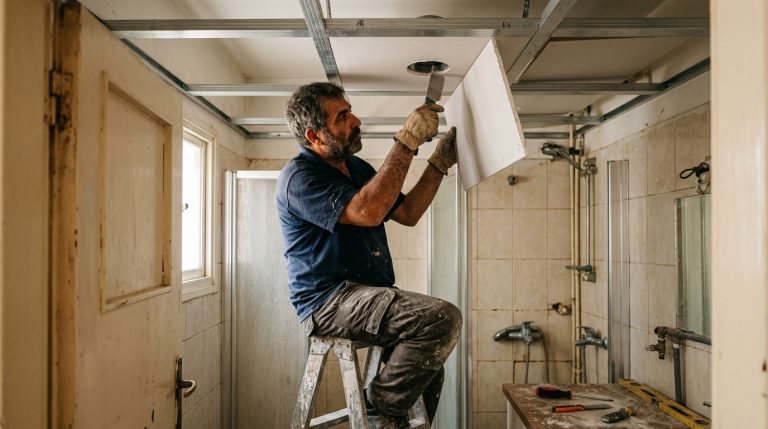
Drywall panels are made from a compressed gypsum core wrapped in thick, specialized paper. This method, also called lightweight construction or dry construction, has become the standard in renovating offices, shops, and private homes. The advantages of using drywall walls are many:
- Working speed: Building a drywall takes a fraction of the time required to build a regular block wall.
- Light weight: The panels do not burden the structure, which allows for easy division of spaces even on high floors.
- Acoustic and thermal insulation: When combined with insulation materials such as rock wool or glass wool within the construction, gypsum walls provide an excellent level of insulation.
- Ideal preparation for paint: When properly installed and treated, gypsum boards provide the smoothest, straightest surface possible for paint jobs, without the waves and roughness typical of traditional plaster.
Types of gypsum boards in the Israeli market
Choosing the right board is critical to the success of the project and its durability over the years. It is important to match the type of board to the room in which it is installed:
- White gypsum board (regular): The most common board, suitable for most rooms in the house such as living rooms, bedrooms and hallways.
- Green gypsum board (moisture-resistant): Contains water-repellent additives. It is mandatory to use it in bathrooms, toilets and kitchens to prevent mold development and damage to the wall.
- Pink gypsum board (fireproof): Reinforced with flame-retardant glass fibers. Suitable for electrical cabinets, fireplace cladding, and places with strict standard requirements.
- Blue gypsum board (for exterior use): A special and extremely durable board designed for exterior cladding, resistant to weather conditions.
The Secret to a Perfect Finish: The Close Connection Between Drywall and Paintwork
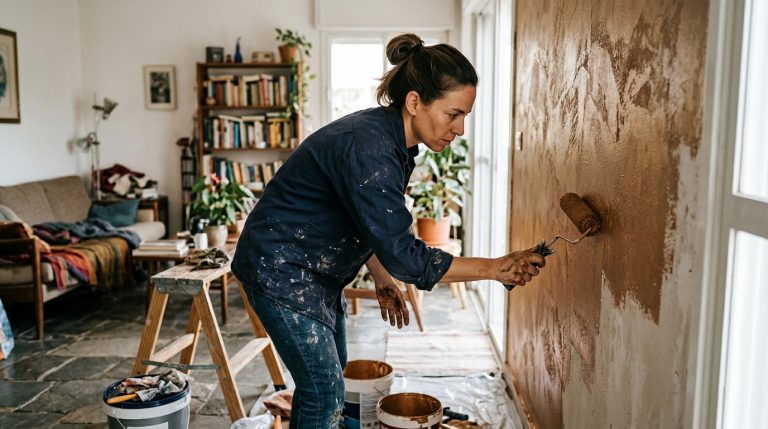
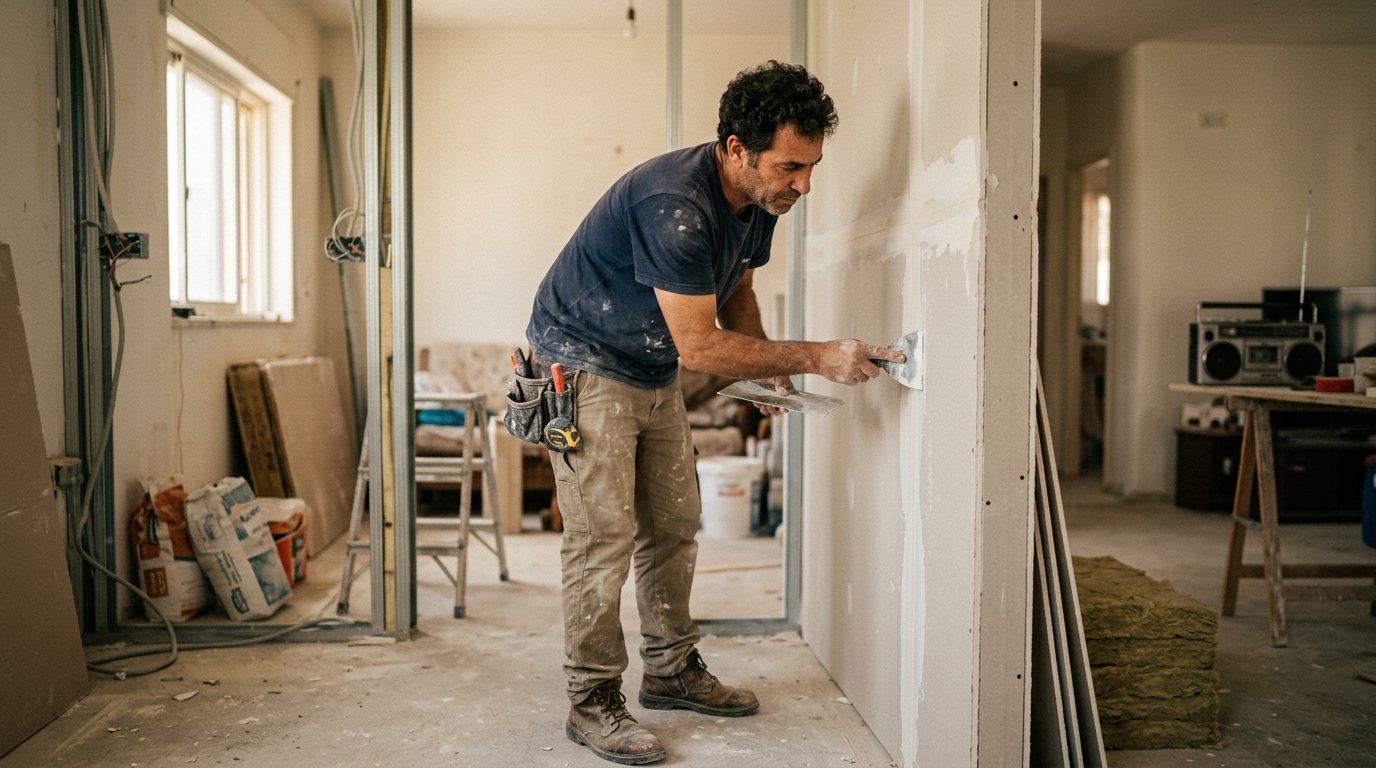
A common mistake among renovators is the thought that the plaster work ends with the screws being screwed to the construction. In fact, the most critical link between the plaster wall and successful paint work is the finishing stage – taping and mudding. Professional paint work requires a perfect foundation, and on plaster this foundation is achieved through several critical steps:
1. Filling joints and laying armor tape
There is a small gap between one plasterboard and the next. To make the wall look like one smooth unit and to prevent future cracks in the paint, apply a filler (putty/spackling) and embed an armor tape (paper or fiberglass mesh) in it. This step prevents natural movements of the structure from cracking your new paint job.
2. Smoothing in multiple layers (finish levels)
To prepare the wall for painting, it is customary to apply American putty in several layers. In the professional world, we talk about finishing levels from Q1 to Q4. Level Q4 means complete smoothing of the entire surface of the board (and not just the joints). This is the most recommended level for premium paint jobs, as it ensures completely uniform paint absorption and prevents differences in texture under direct light or spot lighting.
3. Proper sanding and primer (base paint)
After the putty has dried, the wall should be sanded gently (preferably with a dust-free sander) until a completely smooth surface is obtained. Before starting to apply the acrylic paint, it is mandatory to apply a layer of primer (such as Bondrol). Drywall and putty are very absorbent materials; the primer seals the wall, unifies the substrate, and ensures that the paint adheres perfectly, evenly, and more economically.
Price list for plaster work and preparation for paint in Israel
When planning a budget for renovation, it is important to take into account not only the construction of the wall itself, but also the preparation and painting stages. Below is a table summarizing the average price range in Israel for these works:
| Type of work | Detailed description | Estimated price (per square meter) |
|---|---|---|
| Building a regular (white) drywall | Includes sheet metal construction, standard insulation, panel closure, and putty at joints only. | 200 – 300 NIS |
| Construction of moisture-resistant drywall (green) | Suitable for bathrooms, including appropriate construction and insulation | 250 – 350 NIS |
| Floating/suspended plasterboard ceiling | Standard ceiling lowering for lighting and air conditioning integration | 220 – 320 NIS |
| Drywall smoothing (level Q4) | Applying American putty to the entire wall area in preparation for premium paint work | 80 – 120 NIS |
| Painting drywall | Applying primer and two coats of high-quality acrylic paint | 40 – 70 NIS |
Note: Prices are estimates only and may vary depending on the complexity of the work, accessibility, and overall scope of the project.
Tips from professionals: What is important to be careful of when building drywall walls?
To ensure long-term durability and an uncompromising visual result, there are several rules of thumb that every plaster and paint contractor must follow:
- Correct perpendicular distances: The sheet metal skeleton (construction) consists of tracks and studs. The standard distance between studs in most plaster walls should be 40 cm or 60 cm at most. Compromising on a greater distance will lead to a weak, shaky wall, and immediate cracks in the paint job.
- Floor disconnections: The plasterboard should never touch the flooring directly. A gap of about 1-2 cm should be left from the floor to prevent moisture from rising (capillary) when washing the house, which will destroy the board and peel the paint.
- Armor corners: At every exterior corner of a drywall or niche, it is mandatory to install a reinforced metal or plastic corner. This is an area prone to knocks and abrasions, and the corner protects the drywall and creates a straight, sharp, and perfect line for painting.
- Integration of professionals: The best solution is to hire a renovation contractor or team that specializes in both plastering and painting. When the person doing the plastering knows that he will also have to paint it afterwards, he will be twice as careful to ensure a perfect, flawless finish.
Summary: An excellent foundation leads to a magnificent home
Drywall is much more than just quick partitions. It is the canvas on which your home is designed. Professional construction, the use of boards that are suitable for each space, and uncompromising attention to the smoothing and finishing stages are the key to a successful project. Always remember that spectacular paint jobs begin with a meticulous foundation. Investing in a high-quality putty finish and using a quality primer will ensure that your drywall will look as if it were created in one smooth and elegant piece, and will maintain its new and fresh appearance for many years.