


























Plasterboard Ceiling Installation: The Complete Guide to Design, Functionality, and Home Upgrades
In recent years, Lowering a plasterboard ceiling has become one of the most popular, sought-after and essential elements in any construction or renovation project in Israel. Whether you are renovating an old apartment from the ground up, moving into a new contractor's apartment, or simply interested in refreshing the look of your living room, the lowered ceiling offers a solution that combines aesthetics of the highest level with uncompromising functionality. This type of project requires technical knowledge, precision and meticulous planning, so choosing Renovation contractor A professional and experienced person is critical to the success of the process and ensuring the durability of the ceiling over the years.
Why is it worth lowering a plasterboard ceiling? The notable benefits
The decision to lower the ceiling does not stem solely from design trends, but rather from a response to significant functional needs that improve the quality of life in the property. Here are the main reasons why renovation contractors recommend incorporating plasterboard into the ceiling:
1. Concealment of systems and infrastructure (air conditioning, electricity and plumbing)
The most obvious advantage of a suspended plasterboard ceiling is the ability to hide cumbersome infrastructure from view. Advanced air conditioning systems, such as mini-central air conditioners or VRF systems, require ventilation ducts, drainage pipes, and electrical cables. The suspended ceiling serves as a kind of 'technical space' (plenum) that hides all of these, leaving a clean and elegant appearance, with only the air conditioning louvers visible. An expert renovation contractor will know how to plan the lowering so that it leaves enough space for future system maintenance.
2. Advanced lighting design and hidden lighting
Plasterboard recesses open up a whole world of possibilities in lighting design. You can recess lighting fixtures (spots) into the ceiling, install recessed light strips, or create plasterboard aprons that incorporate LED strips for hidden lighting ('floating lighting'). This lighting gives the space a luxurious, soft, and inviting atmosphere, and allows for a smarter light distribution than a single lamp in the center of the room.
3. Improved acoustic and thermal insulation
By incorporating advanced insulation materials (such as rock wool or glass wool) into the resulting cavity, the acoustic and thermal insulation of the room can be significantly improved. This is an excellent solution for apartments in condominiums that suffer from noise from neighbors on the floor above, or for spaces that have difficulty maintaining a uniform temperature. A professional renovation contractor will be able to recommend the required insulation material density depending on the specific problem in your property.
Types of gypsum boards for lowering ceilings
Not all drywall is created equal. Matching the type of board to the location of the drop is critical and is one of the most important indicators of a renovation contractor's professionalism. These are the common types of boards:
- White gypsum board (standard): Designed for dry spaces such as living rooms, bedrooms and hallways. Used as the default for most lowering jobs.
- Green gypsum board (moisture-resistant): Contains water-repellent and anti-fungal additives. A must for use in bathrooms, toilets, and kitchens. Using whiteboard in a bathroom will quickly lead to swelling, mold, and ceiling collapse.
- Pink gypsum board (fire resistant): Contains flame retardant glass fibers. Often required in specific areas based on fire protection requirements, such as around central electrical cabinets, fireplaces, or public buildings.
- Acoustic gypsum boards (perforated): Special panels with grooves or holes, designed to absorb sound waves and prevent echo. Common in home theater rooms or commercial spaces.
Work process: How does a renovation contractor perform a ceiling lowering?
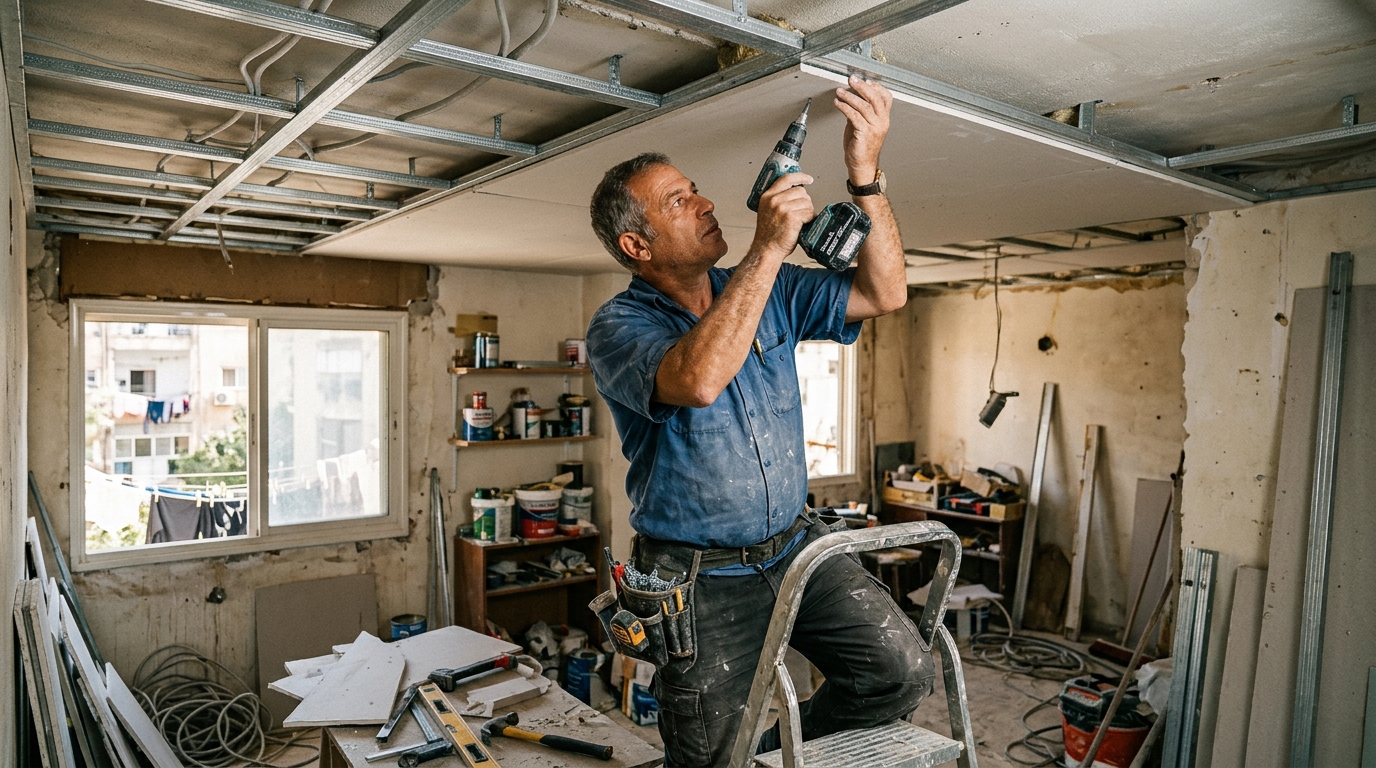
Quality plaster work requires adherence to defined steps and strict safety standards. This is what the professional process looks like:
- Measuring and marking using a laser level: The contractor will mark the desired lowering height on the walls, ensuring perfect leveling.
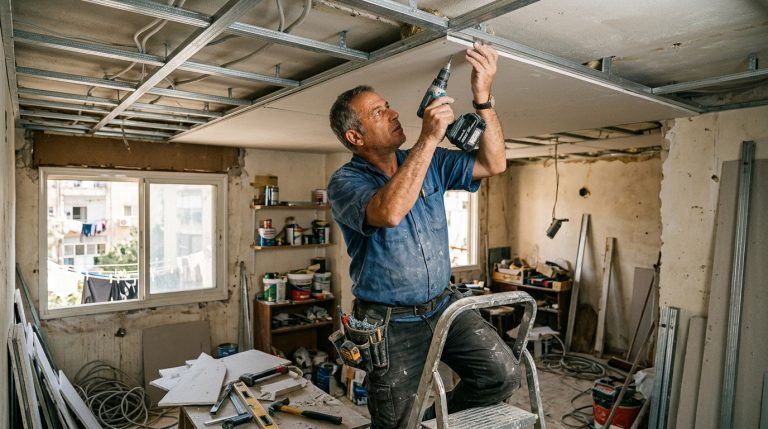
- Building the sheet metal construction (skeleton): Installation of tracks and uprights made of galvanized sheet metal. It is mandatory to use profiles that bear the Israeli standard mark, and to observe standard distances between the uprights (usually every 40 cm) and to use appropriate sheet metal screws.
- Infrastructure preparation: At this stage, the electrical cables, air conditioning pipes, and insulation materials are threaded into the skeleton before it is closed.
- Gypsum board cladding: Screw the plasterboard to the construction using suitable plasterboard screws. It is important to leave service openings for the air conditioning systems.
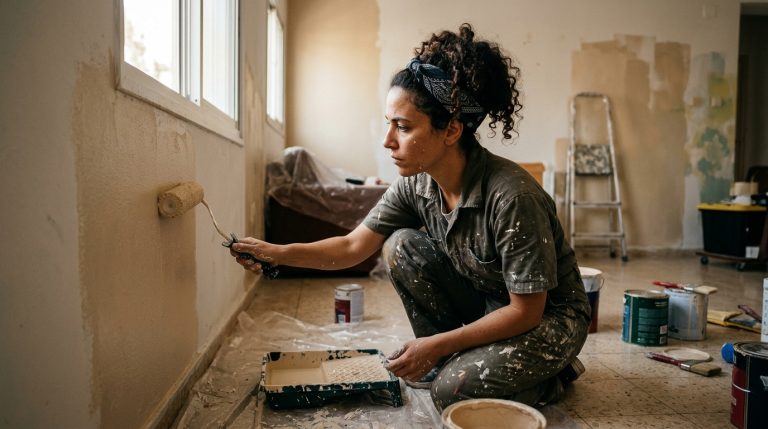
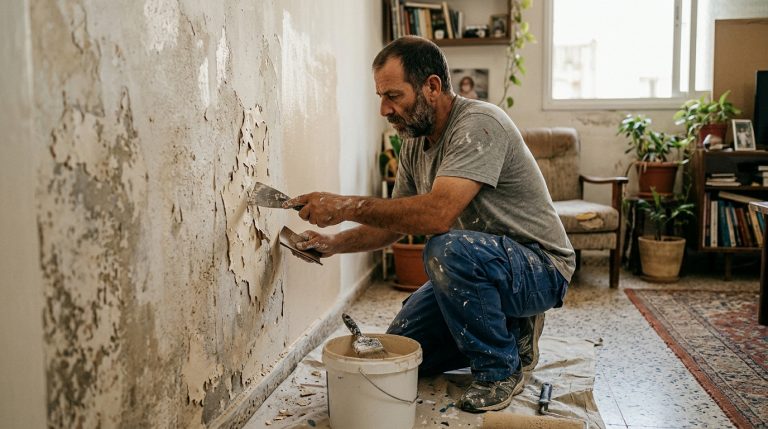
- Finishing and putty: Applying armor tape (mesh or paper) to the joints between the boards to prevent future cracks. Then, applying several layers of American putty, smoothing, thorough sanding, and finally – painting with acrylic or plastic paint suitable for ceilings.
Price list for lowering a plasterboard ceiling
The price range for drywall work varies depending on the complexity of the work, the original ceiling height, the surface conditions, and the level of finish. Below is a table detailing the average costs in the Israeli market for work performed by a licensed renovation contractor.
| Type of work/service | Average price (excluding VAT) | Professional comments |
|---|---|---|
| White plaster ceiling (standard) | 250 NIS – 350 NIS per square meter | Includes construction, plaster, smoothing and basic paint. Subject to minimum work space. |
| Lowering a green plaster ceiling (wet rooms) | 300 NIS – 420 NIS per square meter | A must in bathrooms. Includes improved resistance to moisture and water. |
| Creating a plasterboard apron for hidden lighting | 350 NIS – 500 NIS per running meter | Pricing is per meter of length (not square meters), requires complex profiling work to create the 'tooth' for lighting. |
| Opening holes for spotlights | 50 NIS – 80 NIS per hole | Does not include the cost of the lighting fixture itself or the work of a qualified electrician. |
| Installing a service opening for an air conditioner (aluminum decor) | 250 NIS – 400 NIS per unit | It is necessary to leave access to the engine, water pump, and air conditioner filters. |
| Additional acoustic/thermal insulation | 50 NIS – 90 NIS per square meter | A combination of compressed mineral wool over the boards. |
* The prices in the table are an average estimate and may vary depending on the geographic area, the scope of the project, and the complexity of access to the property. Always request a detailed quote from the renovation contractor, including a breakdown of materials.
Professional highlights and mistakes that are important to avoid
When you hire a renovation contractor to perform a plasterboard ceiling removal, there are several important points to make sure of in order to avoid heartache, unnecessary expenses, or safety hazards:
- You forgot service openings: One of the most common (and expensive) mistakes is closing the ceiling without access openings for the air conditioning system. Every air conditioner requires maintenance. If there is no built-in service opening, you will have to break the plaster in case of any malfunction.
- Hanging heavy elements: Standard drywall is not designed to support heavy loads, such as a massive chandelier or hanging swing. If you plan to hang anything on the suspended ceiling, it is essential to notify the contractor in advance so that they can build ''Planted tree'' – A wooden beam that is screwed to the construction above the plaster and provides strong and secure anchoring.
- Lack of use of armor film: Unprofessional contractors trying to save time sometimes forgo gluing armor tape (fiberglass or paper) to the joints between the gypsum boards before applying the putty. The result? Within a few months, unsightly cracks will appear along the ceiling due to natural movements of the structure.
- Standard distance between the uprights: The Israeli standard requires specific spacing between the metal profiles. A construction that is too thin may lead to the ceiling sagging ('waves' in the plaster) or, God forbid, its collapse.
How to choose a renovation contractor for lowering ceilings?
To ensure an impressive, durable and safe result, do not compromise on the identity of the professional. Make sure that your renovation contractor is registered in the Contractors Register if necessary (depending on the scope of the renovation), holds appropriate insurance (third-party insurance and employers' liability insurance), and uses only materials with an Israeli standard mark. Ask to see a portfolio of work and recommendations from previous clients, and place special emphasis on the quality of the finish in the putty and paint stages - that is where the true level of professionalism is measured.
Summary
Suspended plasterboard ceilings are far more than a passing design trend. They are a smart, aesthetic and effective solution for upgrading the appearance of your home, hiding infrastructure and creating smart and modern lighting. To enjoy a straight, smooth and safe ceiling for many years, it is important to work with Renovation contractor Skilled, understanding the different types of materials, and not compromising on the planning, construction, and finishing stages. Proper planning and meticulous execution will transform any ordinary space into an architectural masterpiece.