



























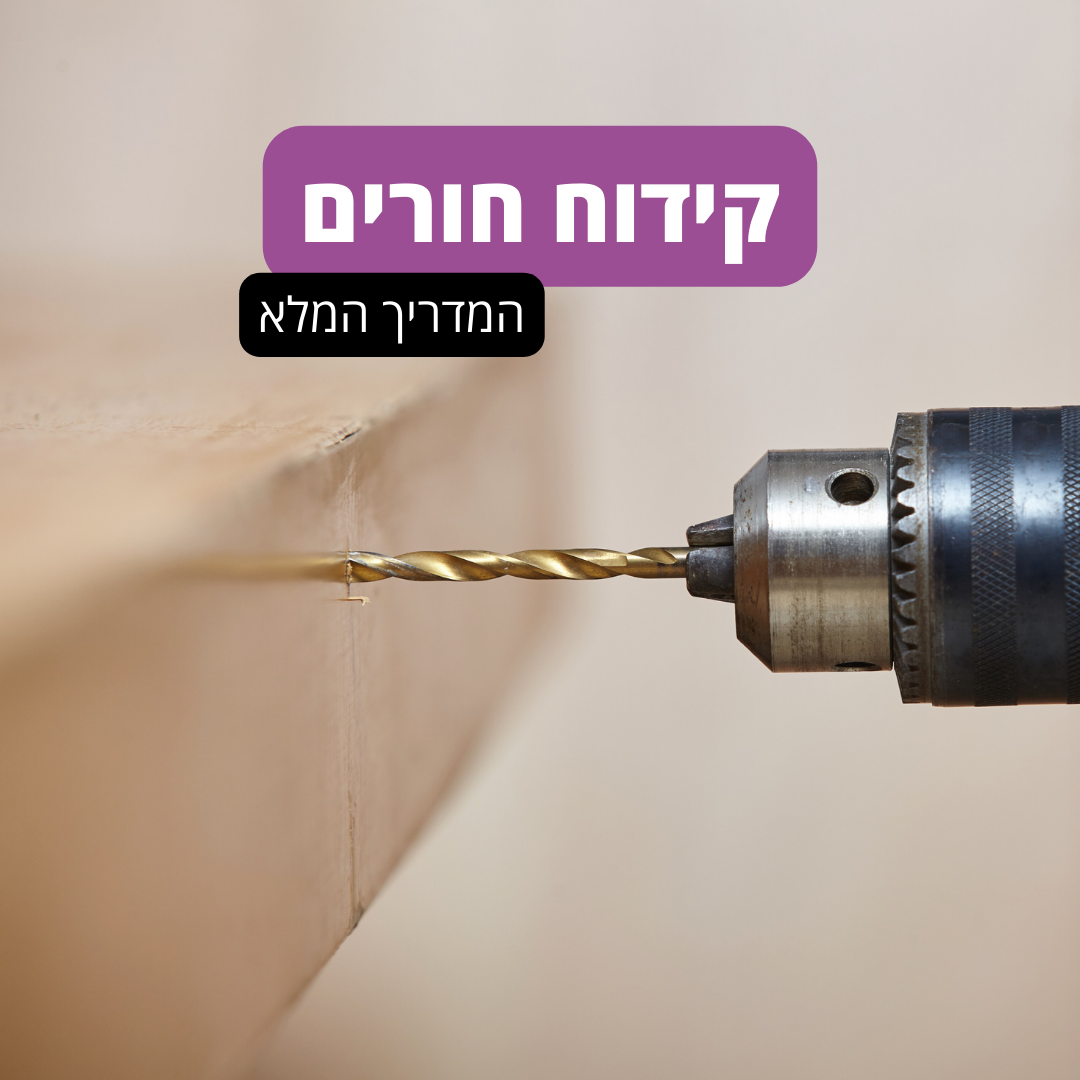
Drilling holes is a common task in many home projects, such as hanging pictures, shelves, cabinets, light fixtures, and more. To drill holes correctly and safely, it is important to follow a few rules:
1. Tool selection:
- drill: Choose a drill bit that is appropriate for the type of wall and the desired hole diameter. There are different types of drills, such as vibratory drills, hammer drills, and screwdriver drills.
- drill: Choose a drill bit that is appropriate for the wall material. There are drill bits for concrete, iron, wood, and other materials.
- Protective equipment: Use protective equipment such as goggles, gloves, and earplugs.
2. Surface preparation:
- Mark the hole location: Mark the desired hole location with a pencil or marker.
- Check for pipes or electrical wires: Use a cable or pipe detector to make sure there is no infrastructure at the drilling location.
3. Drilling the hole:
- Hold the drill at a right angle to the wall: Make sure the drill is perpendicular to the wall to create a straight hole.
- Start drilling at a slow speed: Then gradually increase the speed.
- Apply moderate pressure to the drill: Do not apply too much force, as this may cause the drill bit to break or the wall to crack.
- Take out the drill occasionally to clean the dust: This will help the drill work more efficiently.
4. After drilling:
- Clean the hole from dust: Use a brush or vacuum cleaner to clean the hole.
- Insert the dowel into the hole: Make sure the dowel is suitable for the screw diameter and wall type.
- Screw the screw into the hole: Tighten the screw until it is securely fastened, but do not overtighten as this may damage the wall or the dowel.
Additional tips:
- Use a drill bit with the appropriate diameter for the dowel: This will ensure that the dowel fits snugly into the hole.
- When drilling in hard walls such as concrete, you can use a hammer drill: This will help drill the hole more efficiently.
- When drilling into soft walls such as plaster, use a special plaster drill bit: This will prevent damage to the wall.
- If in doubt, consult a professional.