

























Ceramic bonding על קרמיקה היא בהחלט אפשרות, שיכולה לחסוך זמן וכסף בהשוואה לפירוק הריצוף הקיים. עם זאת, חשוב לזכור שמדובר בתהליך הדורש הכנה יסודית ובחירת חומרים מתאימים על מנת להבטיח תוצאה איכותית ועמידה.
Here are a few important points to consider:
1. Infrastructure testing:
- stability: Make sure the existing ceramic is stable and strong, with no loose or cracked tiles.
- level: Make sure the floor is level, without slopes or bumps.
- plumbing: If you plan to glue ceramic to ceramic in a wet room, such as a bathroom or kitchen, it is important to make sure that the plumbing is in good condition.
2. Surface preparation:
- Cleaning: The existing ceramic must be thoroughly cleaned of dirt, dust and grease.
- Roughness: It is recommended to roughen the surface of the existing ceramic to improve the adhesion of the adhesive. This can be done using sandpaper or a dedicated material.
- Primer: It is recommended to apply a layer of primer to the existing ceramic to increase the adhesive strength.
3. Selection of materials:
- paste: There are different types of adhesives suitable for bonding ceramic to ceramic. It is important to choose a strong and flexible adhesive with high adhesion.
- Epoxy or polyurethane adhesives are a good choice, as they are resistant to moisture and vibration.
- rifle: The gun also needs to be adapted to the type of ceramic and the working environment. An epoxy gun is more resistant to water and chemicals.
4. Bonding the ceramics:
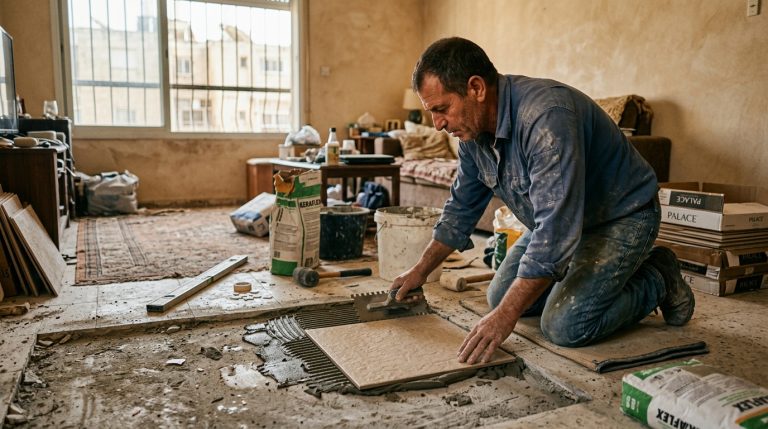
- Applying the glue: The adhesive must be applied to the existing ceramic using a serrated trowel, in order to create a uniform layer with grooves.
- Laying the ceramics: The new ceramic should be placed on the adhesive, applying light pressure and gentle rotation.
- Intervals: Equal spacing must be maintained between the ceramic tiles, using spacers.
- Alignment: Make sure that the ceramic tiles are perfectly aligned, both horizontally and vertically.
5. Rifle filling:
- Filling: After the glue has dried, the gaps between the ceramic tiles should be filled with grout, using a rubber spatula.
- Cleaning: Gun residue must be cleaned off the ceramic before it dries.
Additional tips:
- Consult a professional: If in doubt, it is recommended to consult a professional sequencer.
- Precise work: Make sure to work precisely and neatly to ensure an aesthetic and durable result.
- Drying times: Ensure appropriate drying times for the glue and gun before using the ceramic.
Bonding ceramic to ceramic can be an effective and economical solution, but it's important to do it right. Following these steps and tips will ensure you get a quality result that will last for years.