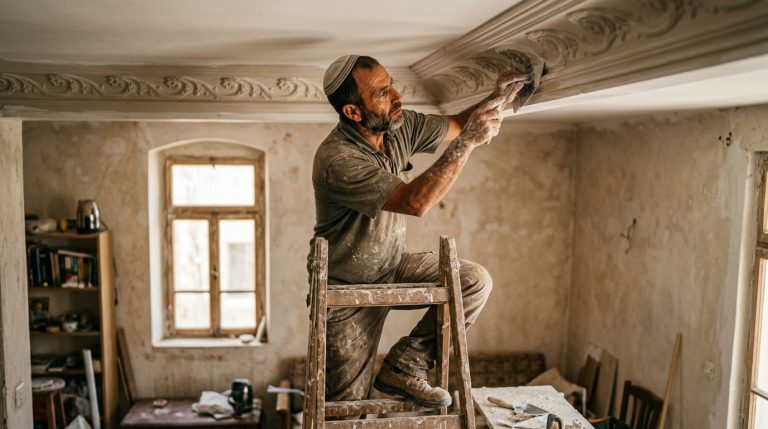



























Ceramic bonding בחדר האמבטיה היא משימה הדורשת תשומת לב מיוחדת, שכן מדובר בסביבה לחה ורטובה. כדי להבטיח שהקרמיקה תודבק בצורה חזקה ועמידה לאורך זמן, חשוב להקפיד על מספר שלבים חשובים:
1. Choosing adhesives:
- paste: It is important to use an adhesive suitable for wet areas, such as epoxy adhesive or improved cementitious adhesive. These adhesives are resistant to moisture and water, ensuring that the ceramic will not detach from the wall.
- rifle: The gun should also be resistant to moisture and mold. It is recommended to use an epoxy gun, which is particularly resistant to water and chemicals.
2. Surface preparation:
- Cleaning: The walls must be thoroughly cleaned and dirt, dust, grease, and paint or plaster residue removed.
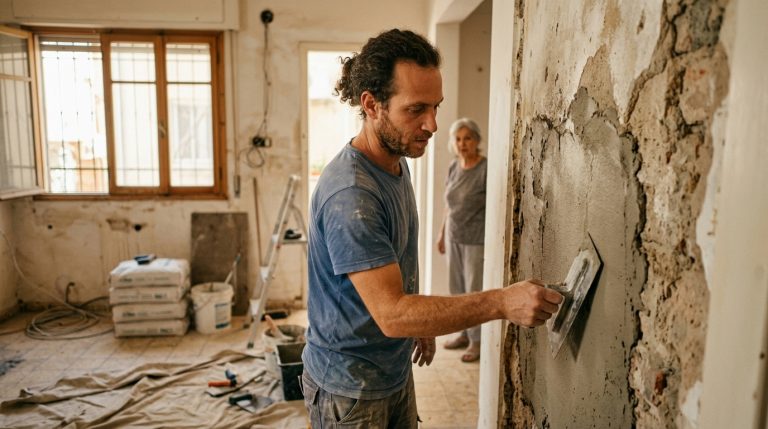
- Alignment: If necessary, the walls should be leveled using mortar or another material to create a flat and smooth base for gluing.
- Sealing: It is recommended to seal the walls using an appropriate sealant to prevent water and moisture penetration.
3. Bonding the ceramics:
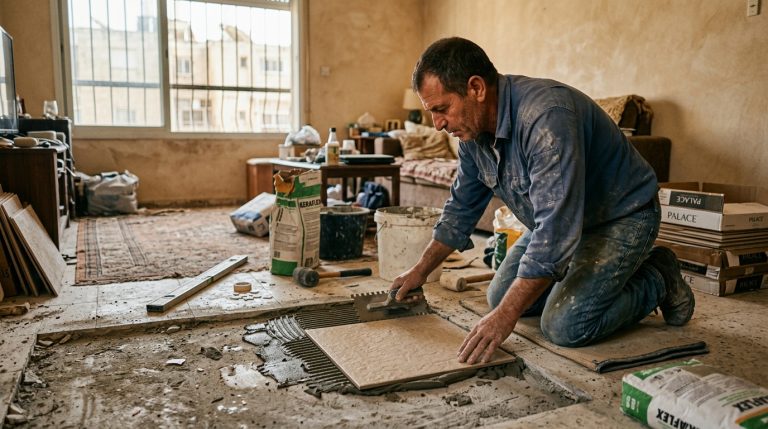
- Applying the glue: Apply the adhesive to the wall using a notched trowel to create an even layer with grooves.
- Laying the ceramics: The ceramic should be placed on the adhesive, applying light pressure and gentle rotation.
- Intervals: Ensure equal spacing between the ceramic tiles, using spacers or a level.
- Alignment: Make sure that the ceramic tiles are perfectly aligned, both horizontally and vertically.
4. Rifle filling:
- Filling: After the glue has dried, the gaps between the ceramic tiles should be filled with grout, using a rubber spatula.
- Cleaning: Gun residue must be cleaned off the ceramic before it dries.
- Additional sealing: After the grout has dried, it is recommended to seal the gaps between the ceramic and the wall again, using a transparent sealant.
Additional tips:
- Ventilation: Make sure there is good ventilation in the bathroom during and after work, to allow the glue and gun to dry properly.
- Use appropriate tools: Serrated spatula, rubber spatula, spacers, level.
- Work in an orderly and clean manner: Be sure to clean up the glue residue and gun in a timely manner.
- Consult a professional: If in doubt, it is recommended to consult a professional sequencer.
Remember, following these steps and tips will ensure a strong and durable bond for the ceramic tiles in your bathroom, and will prevent moisture and mold problems in the future.