

























Ceramic bonding על קיר היא פעולה שכיחה בעולם השיפוצים, המאפשרת לחדש ולרענן את מראה החלל. בין אם מדובר במטבח, בחדר האמבטיה או בכל חדר אחר, הדבקת קרמיקה דורשת תכנון קפדני, בחירת חומרים מתאימים וביצוע מדויק.
Here are the main steps in sticking ceramics on a wall:
1. Surface preparation:
- Cleaning: The wall must be thoroughly cleaned of dust, dirt, grease, and paint or plaster residue.
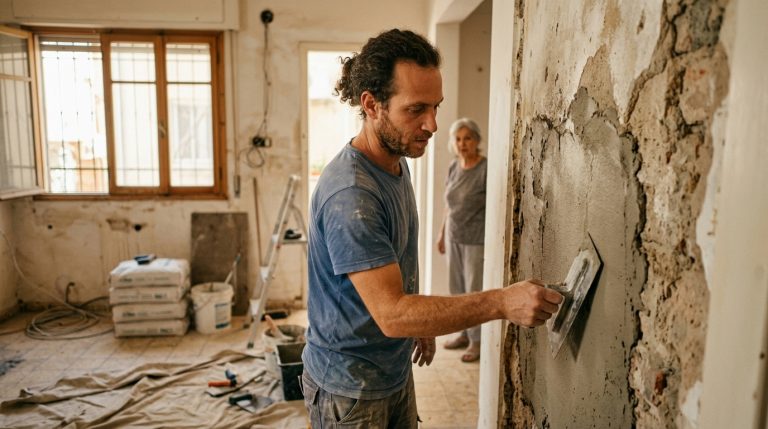
- Alignment: If necessary, the wall should be leveled using mortar or another material to create a flat and smooth base for gluing.
- Primer: It is recommended to apply a layer of primer to the wall to improve the adhesion of the adhesive.
2. Selection of materials:
- paste: There are different types of ceramic adhesives, depending on the type of ceramic, the surface, and the working environment.
- Cementitious adhesive: Suitable for most types of ceramics and surfaces.
- Acrylic glue: Suitable for smaller, lighter ceramics, and for straight, smooth surfaces.
- Epoxy glue: Suitable for wet areas, such as bathrooms and kitchens.
- rifle: The gun also needs to be adapted to the type of ceramic and the working environment. An epoxy gun is more resistant to water and chemicals.
3. Bonding the ceramics:
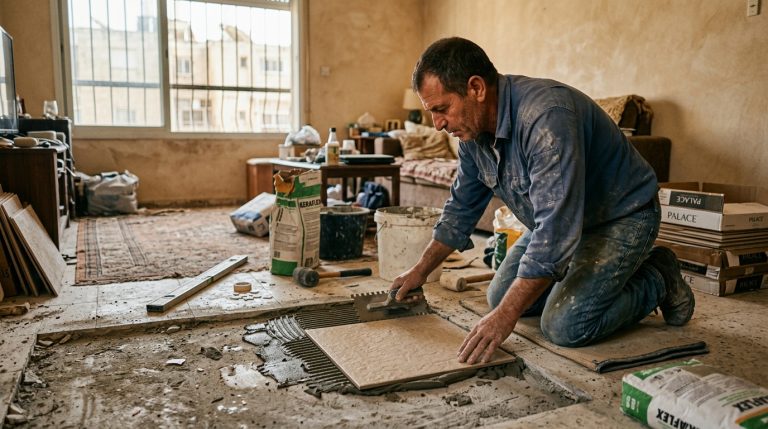
- Applying the glue: Apply the adhesive to the wall using a notched trowel to create an even layer with grooves.
- Laying the ceramics: The ceramic should be placed on the adhesive, applying light pressure and gentle rotation.
- Intervals: Ensure equal spacing between the ceramic tiles, using spacers or a level.
- Alignment: Make sure that the ceramic tiles are perfectly aligned, both horizontally and vertically.
4. Rifle filling:
- Filling: After the glue has dried, the gaps between the ceramic tiles should be filled with grout, using a rubber spatula.
- Cleaning: Gun residue must be cleaned off the ceramic before it dries.
Tips for success:
- Planning Before starting work, it is important to plan the layout of the ceramics on the wall, in order to ensure an aesthetic and symmetrical appearance.
- tools: Use appropriate tools, such as a notched trowel, rubber spatula, spacers, and a level.
- Order and cleanliness: Maintain order and cleanliness during work, and clean up any remaining glue and gun in a timely manner.
- Drying: Ensure appropriate drying times for the glue and gun before using the ceramic.
- Consultation: If in doubt, it is recommended to consult an experienced professional.
Following these steps and tips will ensure strong and durable adhesion of the ceramic to the wall, and will give the space a new and fresh look.