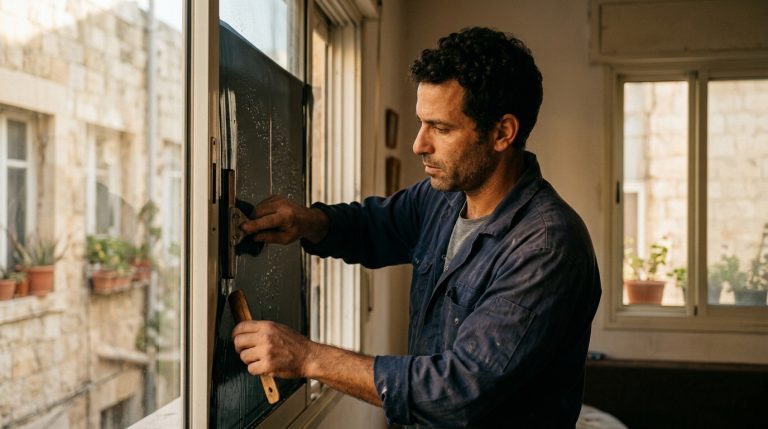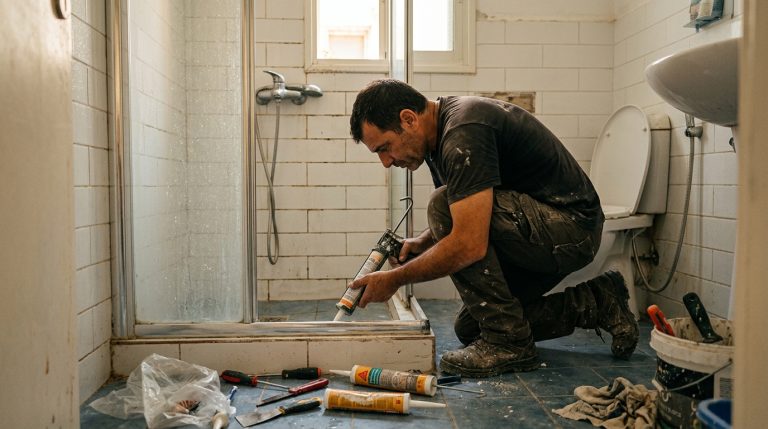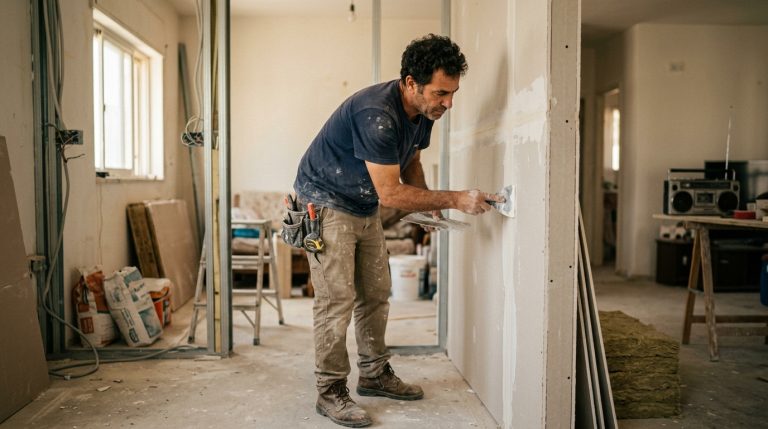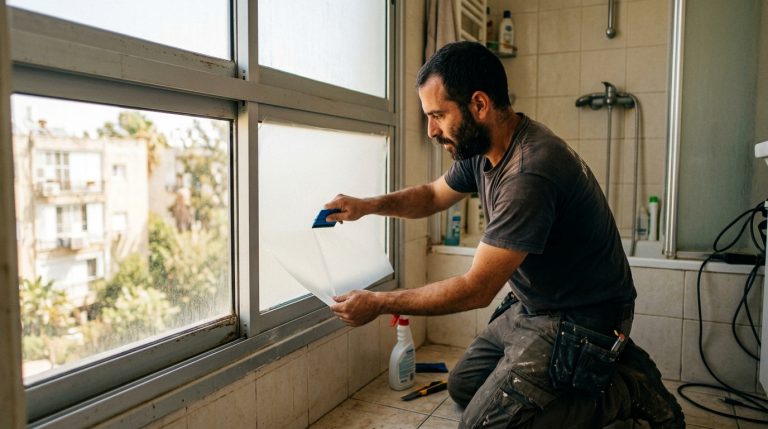


























Wall strip installer: A perfect design upgrade with the help of an expert handyman
In recent years, home interior design in Israel has undergone a real revolution. One of the most prominent and popular trends is wall cladding using strips. Whether it is natural wood strips, polymer or acoustic panels, this addition gives any space a luxurious, warm and modern look. However, to achieve a perfect result, an extremely high level of finishing is required. This is exactly where Wall ruler installer. In the following comprehensive guide, we will explain why it is worth using a professional, what types of rulers are available on the market, how the work is done, and how this project fits in ideally with general handyman work at home.
What are wall bars and why have they become a design hit?
Wall moldings (or moldings) are long strips of trim that are installed vertically or horizontally on interior walls. Beyond their impressive aesthetics, wall moldings have many functional benefits. They help improve the acoustics of a space, especially in modern homes with porcelain granite floors and minimal textiles that tend to resonate. In addition, they are an excellent solution for hiding wall defects, electrical cables, and even hidden doors (ground wire). The moldings come in a wide variety of shades, textures, and materials, allowing for customization for any design style – from rustic and warm to industrial and clean.
Why is it important to hire a wall ruler installer and not do it yourself?
In the DIY era, many people tend to think that installing wall studs is a simple task of applying glue and attaching them to the wall. In reality, the reality is much more complex. Walls in many homes, both old and new, are not perfectly straight (crooked or wavy). A professional wall stud installer brings with them the experience, knowledge and equipment that ensure a flawless result.
- Perfect leveling: A professional uses a laser level to ensure that the rulers are installed in a perfectly straight line, even if the wall itself is slightly crooked.
- Precise cuts: Installation requires intricate cuts around electrical outlets, switches, windows, and panels. A skilled installer works with a jigsaw that ensures a clean cut without splitting the material.
- Choosing adhesives: Using the wrong adhesive can cause the strips to fall off after a few months or warp the wall. A professional will know how to match the adhesive (such as Super 7 or polyurethane adhesives) to the type of substrate.
- Avoiding damage: Fixing joists sometimes requires the use of air nails in addition to glue. A responsible installer will know where water pipes or electrical cables run inside the wall and avoid damaging them.
Popular types of materials for installing wall bars
Before hiring a wall tile installer, it is important to familiarize yourself with the types of materials available on the market, as each material has different properties and specific installation requirements:
- Natural wood bars: Usually made of oak, pine or walnut. Gives a particularly luxurious and natural look. Requires maintenance and oiling/varnishing, and tends to expand and contract depending on temperature and humidity.
- Veneer-covered MDF bars: The most common and affordable alternative. A sturdy MDF core covered with a thin layer of natural wood. They do not warp like solid wood and are easier to install.
- Polymer bars: Hard plastic material, waterproof and moisture resistant. Ideal for installation in bathrooms, kitchens or protected exterior walls. Very easy to clean.
- Acoustic panels: Pre-assembled MDF bars on a black or gray felt backing provide an excellent acoustic solution and are very easy to install quickly as they come in wide panels.
Recommended wall bar installation price list
To help you sort out the costs, we have compiled a table of average prices for you. Please note that prices may vary depending on the condition of the wall, the complexity of the work, and geographical location.
| Type of work/installation | Approximate price range (for labor only per square meter) | Professional comments |
|---|---|---|
| Installing acoustic panel boards | 120 – 180 shekels | Relatively quick installation, requires adjustments to edges and recess cuts. |
| Installing individual MDF strips | 150 – 250 shekels | A Sisyphean task that requires precise measurement of distances between rulers. |
| Installing natural wood slats | 200 – 350 shekels | Requires double fixation (glue and air nails) due to the tendency of the wood to work. |
| Installing polymer bars (wet rooms) | 180 – 280 shekels | Requires the use of dedicated waterproof adhesives and sealants. |
| Extra for cutting sockets and switches | 30 – 70 shekels (per point) | High precision work to avoid gaps around the socket. |
Integrating the installation of rulers as part of the handyman's work package
Installing wall bars is often done in central spaces such as the living room (TV wall) or the bedroom (headboard). Since such a project requires dismantling existing elements, it is a golden opportunity to bring together a number of Handyman work Under one professional. A wall stud installer who is also an experienced handyman can provide a holistic solution (from A to Z):
- Hanging the TV and hiding cables: After installing the rails on the living room wall, the handyman can securely install the TV arm on top of the rails, carve if necessary, and route a hidden cable channel for a wire-free look.
- Lighting fixture installation And sockets: Replacing old outlet covers with modern covers (e.g. black or bronze-colored) that blend in with the wood, or installing hidden LED lighting (gauge strips) that illuminates the bars from above.
- Hanging shelves and floating sideboards: Attaching heavy shelves or a floating sideboard requires familiarity with the wall behind the studs to ensure long-term durability.
- Minor color corrections: Sometimes it is necessary to paint the original wall a dark shade (such as black or dark gray) before installing individual strips, to give depth to the spaces between them.
Work steps: How does a wall stud installer do it correctly?
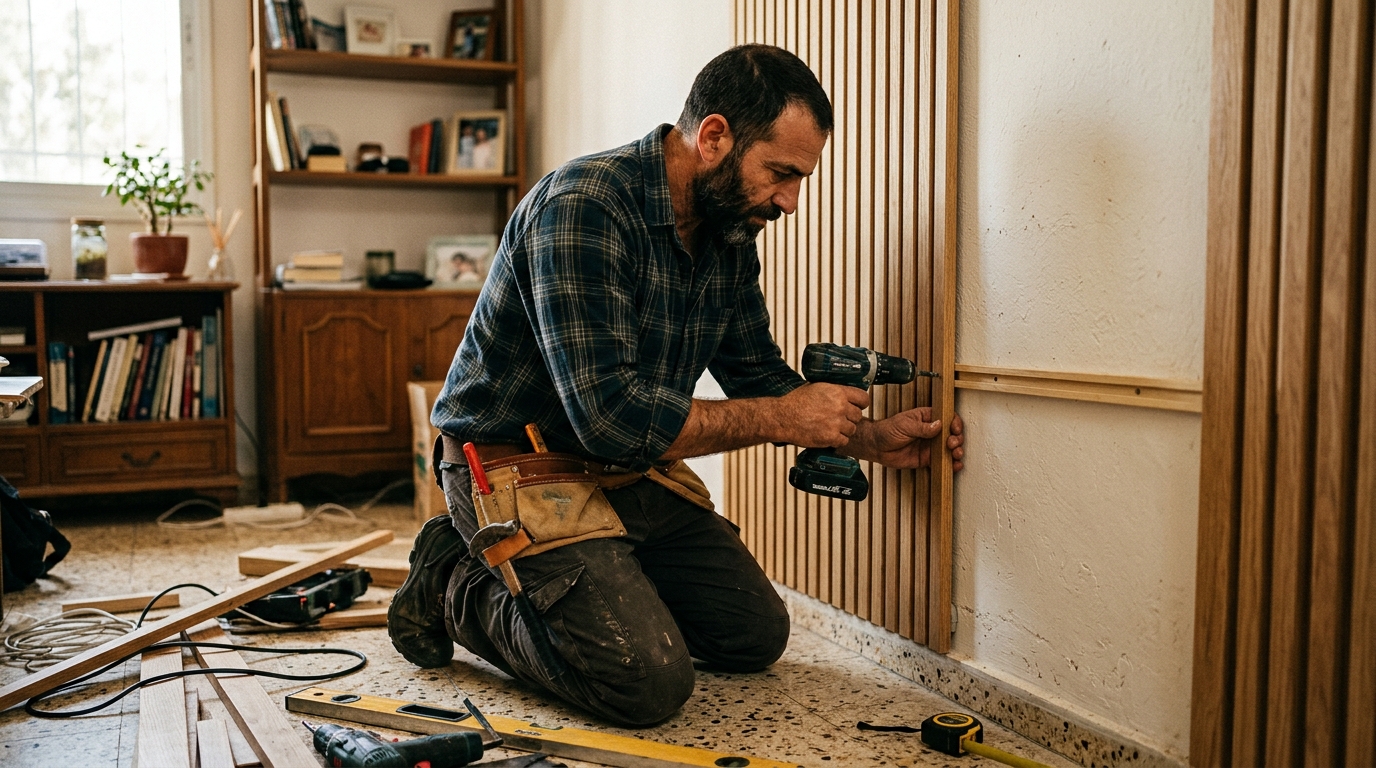
To ensure durability over the years, a wall stud installer follows a structured methodology:
1. Preparing the infrastructure
The first step is to check the straightness of the wall and clean it of dust, grease, and peeling paint. If the wall is peeling, the glue will not hold and the rulers will fall off. The professional will perform peeling, apply a primer (binding material) and only then proceed to work. If background painting is required, it will be done at this stage while waiting for it to dry completely.
2. Planning and measurement (layout)
The installer calculates the width of the wall against the width of the ruler and the desired spacing. The goal is to avoid a situation where you are left with a thin, disproportionate piece of ruler at the edge of the wall. At this stage, height lines are marked with a laser level to obtain a perfect plumb.
3. Cutting and adjustments
The strips are cut to the desired length, taking into account the bottom panel and the ceiling panel (cornice) if present. A professional will make grooving cuts (at an angle) for hidden connections in the corners, and will prepare the openings for the electrical outlets in advance.
4. Gluing and fixing
The adhesive is applied in a wavy or dotted pattern (depending on the material) on the back of the ruler. Attaching the ruler to the wall requires applying even pressure. For heavy materials, the installer will use a staple gun (headless air nails) to secure the ruler in place until the adhesive is completely dry.
Tips for choosing a recommended wall stud installer
To ensure that you are entrusting your home to good hands, be sure to check the following highlights before closing the deal:
- Portfolio and recommendations: Ask to see photos of previous wall molding installation projects. Pay special attention to the finishes in corners, at floor joints, and around electrical outlets. These are the places where true professionalism is measured.
- Professional equipment: An installer who comes with a basic level and handsaw probably won't provide the desired result. Make sure the installer uses a laser level, table/grinding saw, and staple gun.
- Detailed quote: Make sure the quote includes all the steps – from preparing the wall, through the black adhesive materials (glues, staples) to cutting the recesses. This way you will avoid surprises and additional charges at the end of the job.
- Responsibility Check whether there is a warranty on the installation in the event that the rulers detach from the wall after a few months.
Maintenance and cleaning of wall bars
After the installation work is complete, it is important to know how to maintain the rails to maintain their impressive appearance over time. Regular cleaning should be done with a dry microfiber cloth or a soft dusting brush. It is very important to avoid using a lot of water or aggressive cleaning agents, especially when it comes to MDF or natural wood rails, as moisture can cause the material to swell. If you have chosen polymer rails in the bathroom, they can be easily cleaned with a damp cloth and mild soap.
Summary
Installing moldings on the walls of your home is a smart design investment that completely changes the look of the space and gives it a luxurious, warm, and modern touch. Choosing the Right Wall ruler installer, especially one with an extensive background in performing handyman work, will guarantee you precise, aesthetic, and safe work. A true professional will not only glue the wood to the wall, but will take care of the entire envelope – from perfect leveling, to hiding cables, to safely hanging your TV screen. Don't compromise on the quality of workmanship, and choose an expert who will fulfill your design vision to the best of his ability.