


























The complete guide to choosing a recommended home charging station for an electric vehicle
המהפכה החשמלית בישראל כבר מזמן אינה בגדר חלום עתידני, אלא מציאות יומיומית. יותר ויותר נהגים עוברים לרכבים חשמליים, ונהנים מנסיעה שקטה, ירוקה והרבה יותר חסכונית. עם זאת, כל בעל Electric vehicle מגלה מהר מאוד שהסתמכות בלעדית על עמדות טעינה ציבוריות היא פתרון יקר ולעתים קרובות גם לא נוח. הפתרון האידיאלי הוא, כמובן, רכישת Recommended home charging station And performing a professional installation that will serve you faithfully for years.
In this comprehensive guide, we'll cover everything you need to know before you make a decision: what types of charging stations are on the market, what are the critical parameters to check, how much it's likely to cost you, and why a charging station installation project requires the involvement of a qualified professional only. Our goal is to provide you with all the knowledge you need (EEAT) to make a smart, safe, and affordable choice.
Why is it critical to choose the right recommended home charging station?
The charging station market is currently flooded with various brands, from well-known European manufacturers to cheap parallel imports from the East. Choosing the right charging station is not only a matter of convenience, but above all of safety and protection of your investment. An electric vehicle is an expensive asset, and unstable charging can damage the battery over time.
- Fire and electrical safety: A recommended position will include advanced protection mechanisms (such as direct current leakage detection) that prevent overheating and the risk of ignition.
- Maintaining the car battery: Stable and controlled current supply extends battery life.
- Financial savings: Smart stations allow charging to be scheduled for nighttime hours, when the electricity rate (taoz) may be cheaper in homes connected to a smart meter.
Key parameters for choosing a parking space for an electric vehicle
1. Charging power (single-phase vs. three-phase)
The first decision you’ll need to make is the type of electrical connection. A single-phase station can provide up to 7.4 kilowatts (kW), which means a full charge will typically take an entire night. In contrast, a three-phase station can provide 11kW or 22kW, which significantly shortens the charging time. It’s important to note that in order to install a three-phase station, your home’s electrical infrastructure must be three-phase. If you don’t have such infrastructure, consider the additional cost of upgrading your electrical panel with the electric company.
2. Dynamic Load Management (DLM) System
This is one of the most important features for the Israeli consumer. In the Israeli summer, when air conditioners work at peak power along with other power-hungry appliances (boiler, oven, washing machine), adding a charging station can cause frequent spikes in the electricity in the home. A recommended home charging station equipped with dynamic load management can monitor the overall electricity consumption of the home in real time, and automatically reduce the vehicle's charging rate to prevent load collapse, and return it to maximum when the load decreases.
3. Built-in cable vs. socket
There are stands that come with a built-in charging cable (Plug & Play), and those that come with only a socket (to which you connect a mobile cable). For everyday home use, the unequivocal recommendation is to choose a stand with a built-in cable. This is much more convenient, saves the need to take the cable out and put it back in the trunk every time, and prevents wear and tear on your mobile cable.
4. Smart position (app and connectivity)
Smart stations come with Wi-Fi connectivity and a dedicated app. They allow you to monitor your electricity usage (great for those who want to track expenses or get in touch with an employer), lock the station from being used by strangers (critical in shared parking), and schedule charging. While this may sound like a luxury to you right now, it will be a necessary standard in the not-too-distant future.
Comparing prices and features: Which stand is right for you?
To help you organize, we've put together a table summarizing the main categories on the market. The table shows average price estimates (excluding installation costs).
| Position type | Maximum power | Main features | Estimated price range (NIS) | Who is this suitable for? |
|---|---|---|---|---|
| Basic (stupid) stance | Up to 11kW (three-phase) or 7.4kW | Built-in cable, LED indicator, no app. | 1,500 – 2,200 | For private homes with closed parking, looking for a cheap and reliable solution. |
| Smart Stand (Recommended) | 11kW – 22kW | App, Wi-Fi, RFID card recognition, charging scheduling. | 2,200 – 3,500 | For most customers. Ideal for parking in shared buildings or those requiring monitoring. |
| Premium position including DLM | 22kW (three-phase) | Built-in dynamic load management, touch screen, luxurious design, advanced application. | 3,500 – 5,500 | For homes with an amperage limit on the electrical panel, or for customers looking for the latest in technology. |
Installing charging stations – why shouldn't you compromise on an installer?
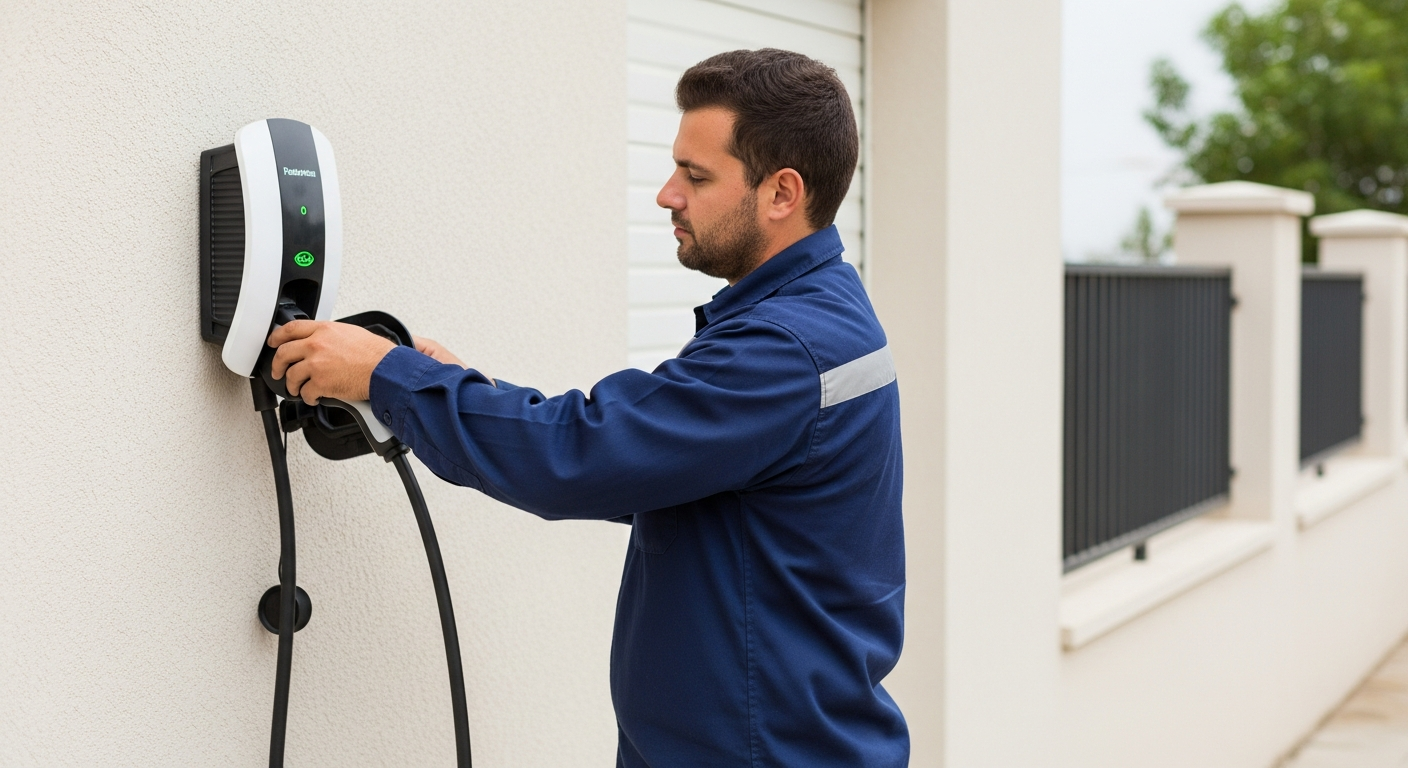
Choosing a stand is only half the battle. The most important issue, which consumers often overlook, is the positioning stage. Installing charging stations. A charging station is actually the largest consumer of electricity in your home, and it operates at high load for long hours. An amateur installation is a recipe for disaster, which could end in a burned-out electrical panel or worse.
- Electricity Law in Israel: על פי חוק, אך ורק Licensed electrician (בעל רישיון בתוקף המתאים לגודל החיבור) רשאי לבצע התקנה של Car charging station חשמלי. בקשו לראות רישיון!
- Preliminary infrastructure check: A professional installer doesn't simply drill into a wall and connect a cable. He will conduct a thorough infrastructure survey, check the quality of the grounding in the home, make sure the electrical connection is strong enough, and plan the cable route so that it is aesthetic, protected from weather damage, and compliant.
- Dedicated depreciation relay: Electric vehicles generate direct current (DC). In the event of a current leak, the standard household circuit breaker (Type AC) will not detect it and will stop functioning. A dedicated circuit breaker must be installed (Type A combined with a 6mA DC protection device, or Type B). A professional installer is aware of these strict standards and will implement them.
- Double responsibility: When working with a reputable company to install charging stations, you accept responsibility for both the product itself and the electrical work. In the event of a malfunction, you have one address to contact.
Estimated installation costs
Beyond the cost of the station we listed in the table, installing charging stations involves costs that vary drastically depending on the terrain. A basic installation, where the electrical cabinet is close to the parking lot (up to 10 meters) and there is no need for complex excavations, will generally cost between 1,500 and 2,500 NIS (including labor, cable, and circuit breakers in the panel). As the distance increases, or if there is a need to run cables underground, excavate walls, or erect a dedicated pole – the price will increase accordingly and can reach 4,000 NIS or more.
Proper maintenance of the charging station
Once you have chosen a recommended home charging station and installed it properly, it is important to maintain it to ensure its longevity:
- Maintaining the cable: Avoid stepping on the cord or dragging it on the floor. Be sure to roll it back into place or hang it on the designated hanger after each use.
- Protection from direct sun: If the stand is installed outdoors and without a roof, try to install it in a shaded area as much as possible or add a small thatch over it to prevent wear and tear from UV rays and overheating.
- Annual inspection: It is recommended to call an electrician once every year or two to tighten screws in the electrical panel and check the integrity of the circuit breaker relay.
Frequently Asked Questions (FAQ)
Is it possible to charge an electric vehicle from a regular household outlet instead of buying a charging station?
Technically, most vehicles come with a standard wall outlet charging cable (known as a "granny cable"). However, a standard household outlet is not designed to withstand a continuous load of 10-16 amps for hours. Constant use of such an outlet poses a safety and fire hazard, and the charging speed is horribly slow. This solution is intended for emergencies only and is not a replacement for a permanent position.
Do I need permission from the house committee to install a stand in a shared building?The law in Israel was recently changed to make it easier for electric vehicle owners. If the parking lot is registered in your name and you draw electricity from your own meter, you do not need the tenants' permission, but only notify the house committee and have the work done by a certified electrician with the cables routed in an aesthetic manner.
Summary
Switching to an electric vehicle is an exciting and economical step, but it requires proper preparation. Search for another Recommended home charging station You should focus on quality, brand reliability, compatibility with your home electrical infrastructure (with an emphasis on dynamic load management), and smart management options. Remember that the core of the project is not just the purchase of the iron, but uncompromising professionalism in every aspect. Installing charging stations. Invest in a certified installer, make sure the installation meets all the strictest safety standards, and you can enjoy peace of mind and a vehicle that is always ready to drive every morning.