

























Bulletproof glass, also known as armored glass or bulletproof glass, is a special type of glass designed to resist bullet penetration. It is made of multiple layers of glass and transparent plastic materials such as polycarbonate, bonded together through a lamination process.
How does bulletproof glass work?
When a bullet hits bulletproof glass, the outer layers of the glass may crack, but the plastic layers absorb the bullet's energy and prevent it from penetrating. The bullet is essentially trapped between the glass and plastic layers.
Protection levels:
There are different levels of glass protection, depending on the thickness of the glass, the type of materials, and the process by which it is manufactured. Protection levels are measured according to international standards, and they determine the type of weapons and ammunition that the glass is capable of stopping.
Common uses:
- Banks: Bulletproof windows and counters.
- Jewelry stores: Showcase windows and doors.
- Businesses: Windows and doors of high-risk businesses.
- Government institutions: Windows and doors of government buildings.
- Private houses: Windows and doors of houses in high-risk areas.
- Armored vehicles: Bulletproof windows.
Advantages:
- protection: Provides protection against bullet penetration.
- Safety: Reduces the risk of injuries from broken glass.
- Peace of mind: Gives a sense of security and calm.
Disadvantages:
- cost: Bulletproof glass is more expensive than regular glass.
- weight: Bulletproof glass is heavier than regular glass.
- appearance: There may be a slight difference in appearance, compared to regular glass.
Important to remember:
- It is important to choose the level of protection that suits your needs.
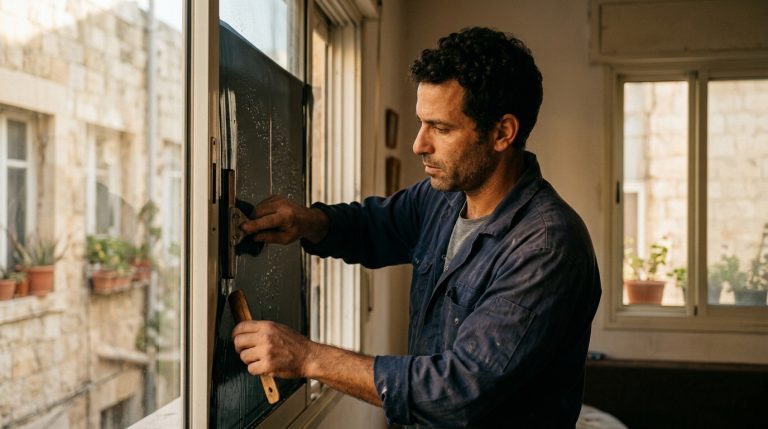
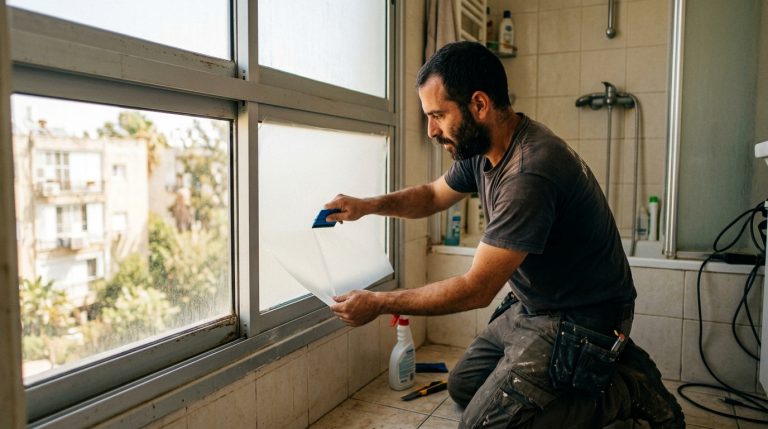
- It is recommended that bulletproof glass be installed by certified installers.
- It is important to maintain the glass regularly to ensure its effectiveness.