

























Painting a Wall: A Comprehensive Guide by Avni Holdings
Painting a wall is a simple and effective way to refresh the look of your home or office, introduce a new atmosphere, and fix minor imperfections. Whether you're looking for a fresh coat of paint or a dramatic change, this article will provide you with all the information you need for a successful wall painting.
Why paint a wall?
| Reason | Details |
|---|---|
| Aesthetic improvement | A new color can change the look of a room and give it a fresher, more inviting feel. |
| Defect correction | Painting can hide stains, scratches, small holes, and other wall imperfections. |
| Wall protection | High-quality paint protects the wall from moisture, dirt, and other damage. |
| Change of atmosphere | Different colors can create a different atmosphere in a space (for example, light colors create a feeling of space, warm colors create a cozy feeling). |
Common types of wall paints:
| Color type | Characteristics | Advantages | Disadvantages |
|---|---|---|---|
| Acrylic paint | Water-based, washable, dries quickly. | Durable, easy to clean, environmentally friendly. | Less resistant to abrasion than oil paint. |
| Lime color | Natural, breathable, antibacterial. | Cheap, suitable for walls with moisture problems. | Less durable, prone to dirt. |
| Oil paint | Very durable, creates a smooth and shiny finish. | Resistant to abrasion and moisture. | Requires long drying time, strong odor, not environmentally friendly. |
Tools and materials required:
- color: Choose a quality paint that is appropriate for the type of wall and the use of the room (for example, anti-mold paint for bathrooms).
- Primer (base color): Sometimes it is necessary to improve the adhesion of the paint.
- brush: For painting corners and small areas.
- Roller: For painting large areas.
- Color tray: To dip the roller.
- Roller extension rod: For painting high walls.
- Masking tape: For protecting areas that you don't want to paint (window frames, panels, etc.).
- Nylon or fabric sheets: For covering furniture and floors.
- Putty: For filling holes and cracks in the wall.
- Sandpaper: For smoothing wall repairs.
Wall painting steps:
- preparation:
- Remove furniture from the room or cover it well.
- Cover the floor with plastic or cloth sheets.
- Apply masking tape to all areas you don't want to paint.
- Clean the wall of dust and dirt.
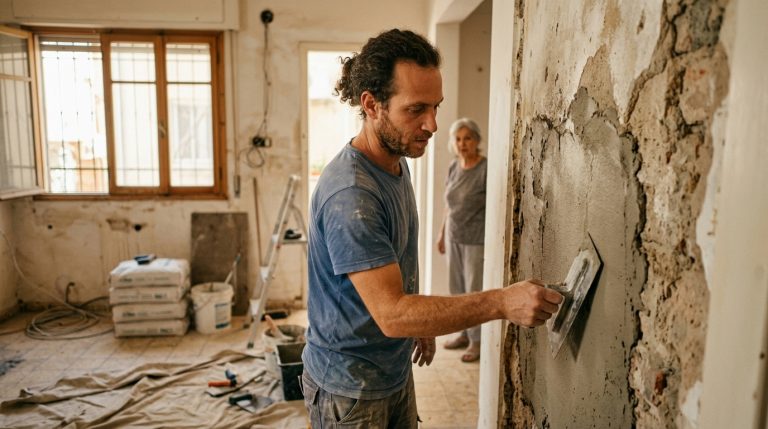
- Repair holes and cracks in the wall and sand the repaired areas.
- painting:
- Apply a coat of primer (if required).
- Paint the corners and edges with a brush.
- Paint the rest of the wall with a roller, using even strokes.
- Wait for the first layer to dry completely before painting the second layer.
- Paint a second coat (if necessary).
- Finish:
- Gently remove the masking tape before the paint dries completely.
- Clean the tools.
- Ventilate the room well.
Important tips:
- Choose a high-quality, durable paint.
- Use clean and appropriate tools.
- Paint in good lighting.
- Observe the recommended drying time between coats.
- Paint in even strokes to avoid marks.
Avnei Holdings – Professional Painting Services:
At Avni Holdings, we offer professional and reliable interior and exterior painting services. Our skilled painting team will perform the work thoroughly, cleanly, and with attention to detail.
Interested in high-quality and meticulous wall painting?
Contact the Avne Holdings team today! We will be happy to advise you and provide you with an affordable quote.
Call us now at 052-444-0565 or fill out the contact form on our website.
Holding Stones – We paint your house with love.