


























Restore the wall to its original state: A comprehensive guide to repairing a wall after dampness with retaining stones
Dampness in walls is a common problem that can cause aesthetic, structural and health damage. Quick and thorough treatment is critical to prevent the damage from spreading and the appearance of mold. In this article, we at Avni Ekhakat will explain the key steps in repairing a wall after dampness, with an emphasis on identifying the source of the problem and preventive treatment.
The first and critical step: locating and treating the source of the moisture
Repairing the wall itself is only part of the solution. If you don't address the source of the moisture, the problem will return and get worse. Common sources of moisture include:
- Leaks from water or sewer pipes: Check for signs of moisture around connection points, faucets, and pipes running in or near the wall.
- Rainwater infiltration: Check for cracks in exterior walls, poor sealing around windows and doors, or problems with the roof or porch waterproofing.
- Condensation: Common in bathrooms and kitchens due to high humidity and lack of ventilation.
- Rising water from the ground: A problem on ground floors or basements due to poor waterproofing of the foundations.
Once you have located the source of the moisture, it must be treated thoroughly before you begin repairing the wall itself. Call a professional (plumber, waterproofing contractor) if necessary.
Steps for repairing a wall after moisture:
- Drying the wall completely: This is a crucial step to prevent mold from re-growing. Allow the area to be well ventilated by opening windows and doors. Fans or dehumidifiers can be used to speed up the process. Make sure the wall is completely dry before proceeding to the next step (this may take several days to several weeks, depending on the wall material and the level of moisture).
- Cleaning mold marks (if any): If mold has developed on the wall, it is important to clean it thoroughly. Take safety precautions such as gloves, a face mask, and goggles. You can use a solution of bleach diluted in water (1 part bleach to 10 parts water), white vinegar, or a mold-removing product. Rinse the area with clean water after cleaning and allow it to dry again.
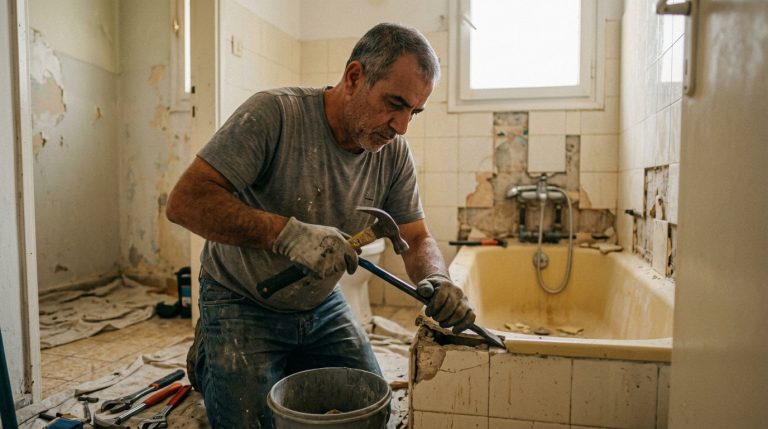
- Removing damaged parts of the wall (if necessary): If the moisture has caused significant damage to the plaster or stucco (crumbling, peeling), it may be necessary to remove the damaged parts until the material is solid.
- Applying an anti-mold primer: Once the wall is dry and clean, it is recommended to apply a special primer layer that prevents future mold growth. Choose a quality primer suitable for wet walls and humid conditions.
- Wall repair:
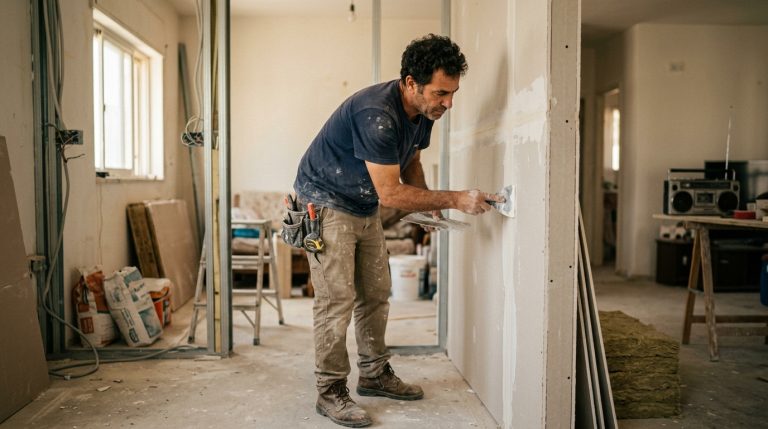
- Drywall: Fill holes and cracks with drywall putty. If large sections have been removed, new drywall will need to be cut and installed, attached to the existing board using special adhesive paper and applied with layers of Putty until a smooth surface is obtained.
- Plaster wall: Repair cracks and holes using a suitable plaster filler. In cases of extensive damage, it may be necessary to apply a new layer of plaster.
- Sanding the wall: Once the putty or plaster has completely dried, sand the area gently until you have a smooth, even surface with the rest of the wall.
- Painting the wall: After sanding, clean the wall of dust and paint it with a high-quality, moisture-resistant paint. It is recommended to use anti-mold paints designed for damp areas such as bathrooms and kitchens. Two coats of paint may be necessary for full coverage.
Important tips for preventing repeated dampness:
- Permanent ventilation: Keep bathrooms, kitchens, and basements well ventilated by opening windows or using fans.
- Immediate leak repair: Treat any leaks in the pipes or sealant immediately upon discovery.
- Professional sealing: If you are experiencing recurring water infiltration problems, consider having your exterior walls, roof, or foundations professionally sealed.
- Use of moisture-resistant materials: In humid areas, use moisture-resistant building materials, paints, and furniture.
Holding Stones – Your Partner for Moisture Damage Restoration:
At Avni Ekhakut, we understand the frustration and damage that can be caused by moisture in walls. Our team of experts is skilled in locating sources of moisture, thoroughly treating the problem, and professionally restoring damaged walls. We use high-quality materials and advanced techniques to ensure that your wall returns to its original condition and is resistant to future moisture.
Are you suffering from moisture damage to the walls of your home or business in Tel Aviv and the surrounding area?
Contact the Avne Holdings team today! We will be happy to provide you with professional advice, examine the damage, and provide an affordable quote for a thorough and reliable repair.
Retaining stones – make your walls dry and strong again.