


























Cementitious putty: a strong and durable raw material for construction and renovations
Putty Cementitious is a mixture of cement, sand, and special materials, used for filling, repairing, and smoothing various surfaces in construction and renovation.
Advantages of using cement putty:
- High strength and durability: Resistant to mechanical damage, abrasion and weather conditions.
- Excellent adhesion: Adheres well to a wide variety of surfaces, including concrete, blocks, plaster and marble.
- Quick drying: Dries relatively quickly, allowing for continued efficient work.
- Water resistance: Suitable for indoor and outdoor applications, including wet areas such as bathrooms and kitchens.
- Affordable price: Usually cheaper than acrylic putty.
Common uses:
- Repairing cracks and holes in walls and ceilings.
- Filling dents and defects in concrete surfaces.
- Smoothing walls and ceilings before flooring or cladding.
- Creating slopes in floors.
- Sealing cracks and joints.
Types of cementitious putty:
- Coarse cement putty: Contains larger granules, suitable for filling large holes and creating thick layers.
- Fine cementitious putty: Contains small grains, suitable for smoothing and finishing.
- Exterior cementitious putty: Contains special additives that give it high resistance to weather damage.
Tips for working with cement putty:
- Make sure the surface is clean, dry and free of dust and dirt before application.
- The putty must be mixed with water according to the manufacturer's instructions.
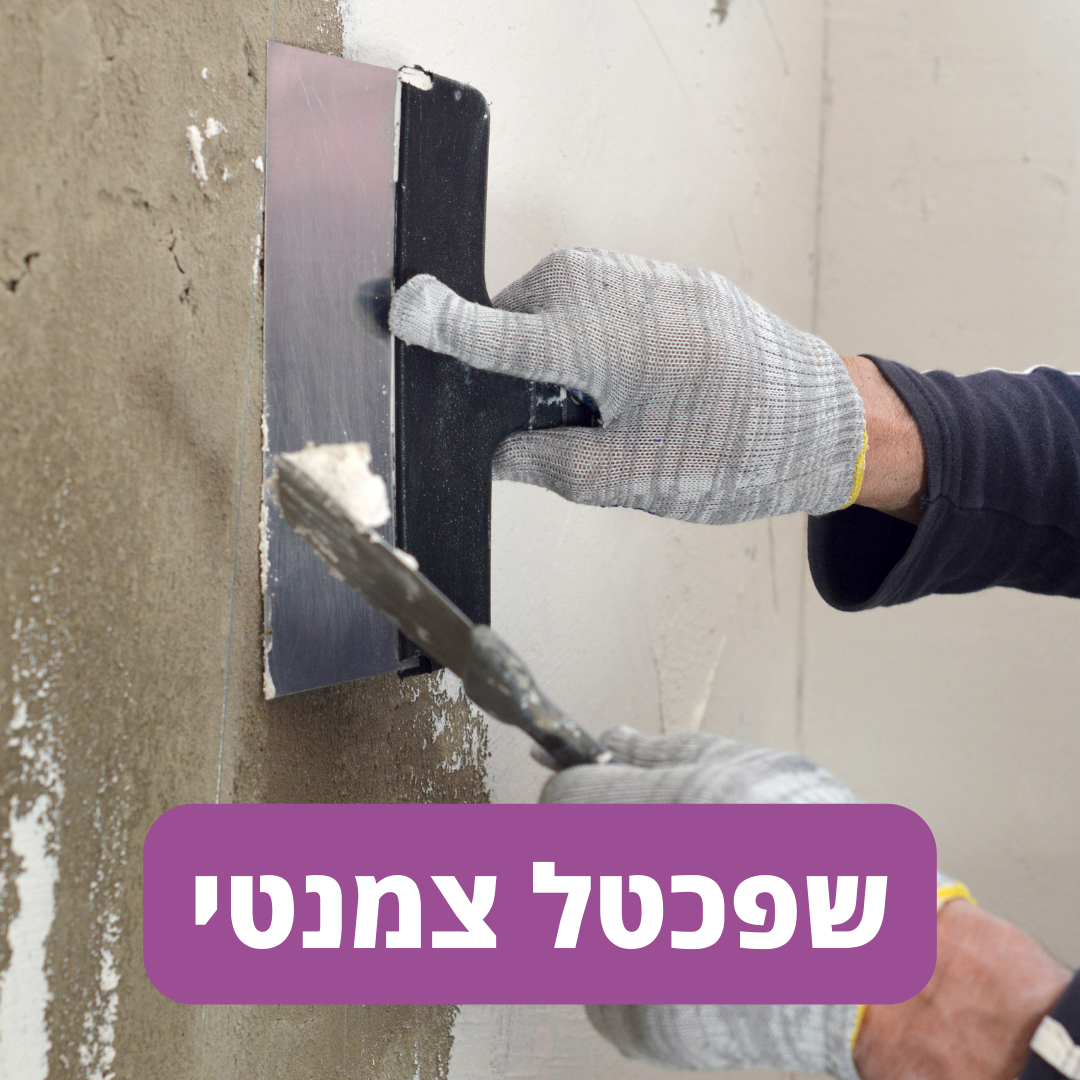
- Appropriate tools must be used, such as a spatula or trowel.
- The putty should be applied in thin, uniform layers.
- Wait for each layer to dry completely before applying the next layer.
- The putty can be sanded after it dries to obtain a smooth finish.
In conclusion: Cement putty is a strong and durable material, suitable for a wide variety of construction and renovation works.